
You’re Not Alone in This Struggle
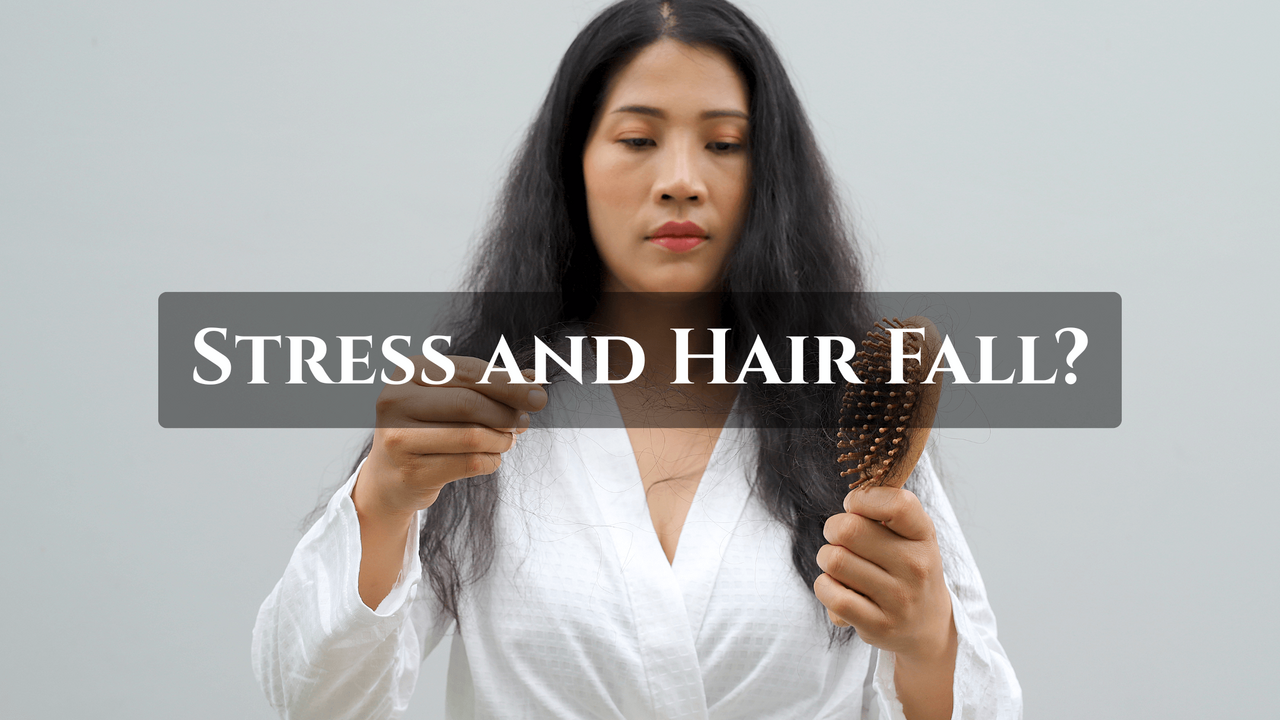
You’re brushing your hair in the morning, and there it is again — more strands on the brush than usual. You run your fingers through your hair, and a few more fall out. The sight makes your heart sink. You tell yourself it’s probably just a bad day, but deep down, you’re worried. The more you stress about it, the worse it seems to get.
It’s an emotional cycle that many of us know too well — stress leads to hair fall, and hair fall leads to even more stress. You start to feel anxious every time you look in the mirror, noticing thinner patches or a receding hairline.
If this sounds familiar, you’re not alone. Millions of people experience stress-related hair loss at some point in their lives. Whether it’s due to work pressure, emotional burnout, exams, or personal struggles — your body responds to stress in ways that can visibly affect your hair. But here’s the good news: stress hair fall is reversible with the right approach and care.
Let’s understand what’s really going on beneath the surface.
Why Stress Causes Hair Fall?
When you’re under stress, your body releases a hormone called cortisol. This hormone prepares your body to deal with “danger” — it’s part of the famous fight-or-flight response. However, prolonged or chronic stress keeps cortisol levels high for too long, which can disrupt many normal body functions — including hair growth.
Here’s what happens inside your scalp:
1. The Hair Growth Cycle Gets Interrupted
Your hair grows in three phases — growth (anagen), rest (telogen), and shedding (catagen). Stress can push a large number of hair follicles into the telogen phase prematurely, leading to a condition known as telogen effluvium.
This means more hair strands are resting (and ready to fall) than growing. Typically, telogen effluvium becomes noticeable 2–3 months after a stressful event — like illness, job loss, breakup, or ongoing anxiety.
2. The Body Prioritizes Survival, Not Beauty
When stress hormones flood your system, your body redirects nutrients and energy to vital organs — like your heart and brain — instead of your hair follicles. Hair growth becomes a “non-essential” function for survival, so it slows down or even stops temporarily.
3. Inflammation and Hormonal Imbalance
Chronic stress also increases inflammation, which can weaken your scalp’s health and make your follicles more sensitive. Combined with hormonal imbalance, this creates the perfect storm for noticeable hair thinning and loss.
But before you panic — remember, your body is remarkably resilient. Once you manage your stress and support your scalp properly, hair can and does grow back.
How to Stop Stress Hair Fall Naturally?
The key to reversing stress-induced hair loss lies in healing both your mind and your body. You don’t need fancy treatments or expensive products. Instead, focus on small, consistent changes that promote overall balance.
Here’s how to get started:
1. Manage Stress Naturally
Stress management is the foundation of hair recovery. Find what helps you unwind — and make it part of your daily routine.
- Yoga & Deep Breathing: Even 10 minutes of gentle yoga or mindful breathing can lower cortisol levels.
- Journaling: Write down your thoughts to release mental pressure. It helps you process emotions instead of suppressing them.
- Evening Walks: Fresh air and a little movement improve blood flow — including to your scalp — while calming your mind.
- Meditation or Prayer: A few quiet minutes of reflection can do wonders for emotional balance.
Consistency is more important than perfection. You don’t have to meditate for an hour — start with 5 minutes and build from there.
2. Support Your Body with a Balanced Diet
Healthy hair begins with proper nutrition. When you’re stressed, your body uses up nutrients faster — especially vitamins and minerals essential for hair growth.
- Protein: Hair is made of keratin, a type of protein. Include eggs, lentils, fish, or tofu in your diet.
- Iron & Zinc: These minerals strengthen hair and improve follicle function. Spinach, pumpkin seeds, and red meat are good sources.
- Vitamin B & D: Deficiency in these vitamins is linked to hair thinning. Include foods like dairy, nuts, and leafy greens — or ask your doctor about supplements.
- Omega-3 Fatty Acids: Found in fish, chia seeds, and walnuts — they nourish the scalp and reduce inflammation.
3. Gentle Scalp Care
Your scalp needs as much love as your hair. Overwashing, harsh chemicals, or tight hairstyles can make things worse.
- Use a mild, sulfate-free shampoo like Pureology’s Hydrate Shampoo to clean without stripping natural oils.
- Massage your scalp gently for 5 minutes daily to boost blood circulation.
- Avoid frequent heat styling or coloring during recovery.
- Keep your hair tied loosely — tight buns or ponytails can increase tension and breakage.
A weekly oil massage can also help nourish the scalp and relax your nerves — try coconut, rosemary, or castor oil for best results.
4. Sleep and Hydration — The Unsung Heroes
Sleep is when your body repairs and regenerates — including your hair follicles. Aim for 7–8 hours of quality sleep every night.
Lack of rest increases cortisol and affects hormone balance, both of which slow hair growth. Establish a calming bedtime routine — limit screen time, dim the lights, and try reading or soft music before bed.
Also, don’t forget hydration. Your scalp, like your skin, needs water to stay healthy. Drink enough throughout the day to keep your body (and hair) nourished.
5. Natural Supplements and Oils (With Caution)
Sometimes, your diet alone may not provide all the nutrients you need, especially after prolonged stress.
- Biotin (Vitamin B7): Supports keratin production and hair strength.
- Vitamin D: Helps with new follicle growth.
- Rosemary Oil: Proven to stimulate hair regrowth when massaged onto the scalp regularly.
- Collagen or Fish Oil Supplements: May improve scalp health and reduce hair thinning.
⚠️ Always consult a doctor before taking any supplement, especially if you have medical conditions or are on medication.
Bonus Tips for Long-Term Relief
Hair recovery takes time — usually 3 to 6 months after stress reduction. Here are a few long-term habits to help prevent future flare-ups:
- Keep a Stress Diary: Identify what triggers your stress and learn healthier coping strategies.
- Practice a Digital Detox: Step away from social media for a few hours daily to reset your mind.
- Stay Active: Exercise releases endorphins — your body’s natural stress relievers.
- Seek Professional Help: If your hair fall persists beyond 2–3 months or you notice bald patches, visit a dermatologist or trichologist. They can rule out other causes like thyroid imbalance or nutritional deficiencies.
And remember — be patient. Hair growth is a slow process, but your body will respond positively as stress decreases,
Your Hair Can Bounce Back — and So Can You
It’s easy to feel defeated when you see strands of your hair falling every day. But this isn’t permanent. Your hair is a living part of you — and it can recover once you start caring for your inner well-being.
Healing from stress-related hair loss isn’t about perfection. It’s about gentle consistency — taking small steps daily to calm your mind, nourish your body, and restore balance.
So take that first step today — maybe a deep breath, a mindful walk, or a warm oil massage. Every small act of care tells your body: You’re safe now. You can heal.
Your hair will thank you — and so will your mind.
You May Like: